Difference between surgical technologist and certified surgical technician

Difference between Surgical technologist and Certified surgical technician

Table of Contents

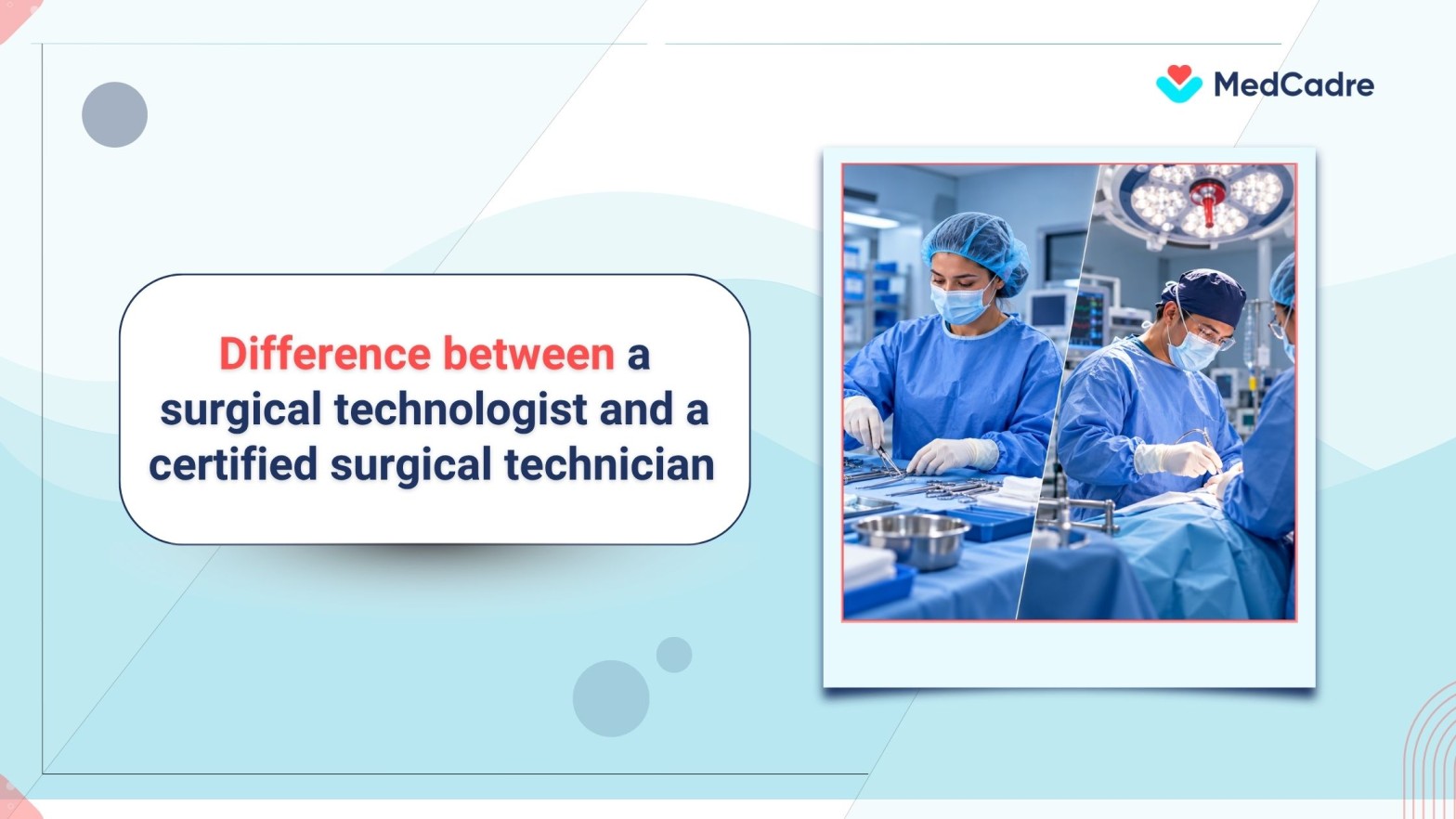
Two roles that often come up in discussions around surgical teams are the surgical technologist and the certified surgical technician. While these titles might sound similar and are often used interchangeably, understanding the difference between the surgical technician vs surgical technologist roles is essential, as they represent distinct responsibilities. This blog explains the difference between a surgical technologist and a certified surgical technician.

1. Definition and scope of roles

Surgical technologist:

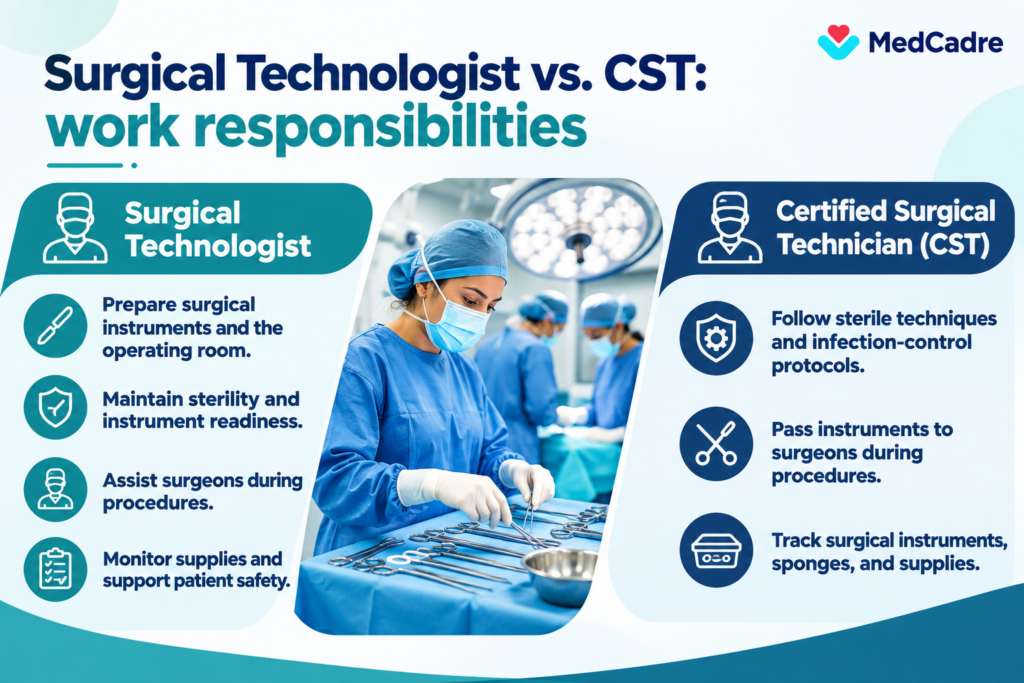
Surgical technology plays an integral role in the operating room (OR). Their primary responsibility is to ensure the OR is prepared for surgeries. This includes setting up instruments, equipment, and sterile drapes.  In the context of surgical technician vs surgical technologist, these responsibilities highlight the foundational role both positions play in supporting surgical procedures.

 They also assist surgeons during operations by passing instruments and supplies, holding retractors, and anticipating the surgeon’s needs. Post-surgery, they assist in dressing wounds and transferring patients to recovery rooms.

Certified surgical technician:

The title “Certified” denotes a higher level of qualification. A certified surgical technologist (CST) is a surgical technologist who has earned professional certification after meeting specific educational and training requirements set by recognized certifying bodies, such as the National Board of Surgical Technology and Surgical Assisting (NBSTSA) in the USA. This certification ensures that the individual has undergone standardized training and has passed a rigorous examination.

2. Educational and training requirements

Surgical technologist:

To become a surgical technologist, individuals typically need to complete a post-secondary certificate or associate degree program. These programs, accredited by the Commission on Accreditation of Allied Health Education Programs (CAAHEP) or the Accrediting Bureau of Health Education Schools (ABHES), provide comprehensive training in surgical procedures, sterilization techniques, and patient care, helping candidates develop essential clinical skills. 

When comparing surgical technician vs surgical technologist, educational pathways are often similar, but certification requirements can create a key distinction. Upon graduation, individuals can work as surgical technologists with the foundational skills required for operating room support.

Certified surgical technician:

While the educational pathway for a Surgical Technologist and a Certified Surgical Technician might be similar, a CST has to meet additional requirements to earn certification. After completing their formal education, aspiring CSTs must pass the Certified Surgical Technologist exam administered by the NBSTSA. 

This exam evaluates their knowledge and skills in areas like preoperative care, intraoperative procedures, postoperative care, and sterile techniques. Only upon successfully passing this examination can they use the CST designation and demonstrate advanced technical skills.

Surgical technologists (STs) and certified surgical technicians (CSTs) in the USA share core competencies and practical skills focused on operating room support, with certification verified through exams such as the NBSTSA CST. Both roles emphasize sterility, safety, and teamwork, along with strong coordination skills, in accordance with college and state standards.

Along with education and training, developing the right skills is equally important for professional growth, and a detailed infographic has been included to provide a clearer understanding of these essential skills.

Difference between surgical technologists and certified surgical technicians skills

Surgical technologist and the certified surgical technician

3. Professional recognition and advancement

Surgical technologist:

Surgical technologists, although highly skilled, might not have the same level of recognition as their certified counterparts. However, their role remains critical in ensuring the smooth flow of surgical procedures. 

In discussions around surgical technician vs surgical technologist, certification often plays a major role in enhancing professional recognition and career advancement opportunities. With experience, professionals like you can apply for surgical technologist roles and also pursue certification to advance their careers and gain additional recognition.

Certified surgical technician:

Having the “certified” title provides certified surgical technologists with a distinct advantage in terms of professional recognition and advancement opportunities. Certified professionals often command higher salaries, enjoy better job prospects, and have the potential to take on leadership roles within surgical teams. 

Additionally, maintaining certification requires ongoing education, ensuring that CSTs stay up to date with the latest advancements in surgical techniques and technologies.

4. Job responsibilities and specializations

Surgical technologist:

The primary responsibilities of a Surgical Technologist focus on preparing the OR, ensuring sterility, and assisting surgeons during operations. While their tasks are crucial, they might not delve deeply into specialized areas unless they pursue further education or training in specific surgical specialties.

Certified surgical technician:

Certified surgical technologist, given their certification, might have opportunities to specialize in particular surgical areas, such as neurosurgery, cardiovascular surgery, or orthopedic surgery. 

This specialization requires additional training and experience, enabling CSTs to work closely with surgeons specialized in their chosen fields. Such specialization can lead to enhanced job satisfaction, increased responsibilities, and potentially higher salaries.

5. Salary and job opportunities

Surgical technologist:

The salary range for surgical technologists varies based on factors like experience, location, and employer. While they can earn competitive salaries, certified professionals often have an edge in negotiating higher pay rates. A key factor when evaluating a surgical technician vs surgical technologist is the difference in salary potential and job opportunities.

 Understanding the top states with the highest surgical technologist salaries can also help professionals make informed career decisions based on location. Job opportunities for surgical technologists are expected to grow as the demand for surgical procedures increases due to an aging population and advances in medical technology

Certified surgical technician:

When comparing surgical technician vs surgical technologist salaries, CSTs typically earn higher salaries than non-certified surgical technologists. Their certification validates their expertise, making them more attractive to employers seeking skilled professionals. 

Additionally, CSTs might have access to specialized job opportunities, particularly in high-demand surgical specialties, enhancing their earning potential and career growth prospects. The comparison table below highlights key differences in roles, responsibilities, and certified surgical technologist salaries across experience levels.

                Surgical technologist vs CST: Pay comparison

Criteria Surgical Technologist Certified Surgical Technician (CST)
Average Starting Salary $35,000 – $45,000 per year $40,000 – $50,000 per year
Median Salary (Mid-Career) $45,000 – $55,000 per year $50,000 – $60,000 per year
Average Salary (Experienced) $55,000 – $65,000+ per year $60,000 – $70,000+ per year
Specialized Areas Variable based on specialization (e.g., cardiovascular, neurosurgery) Generally higher in specialized surgical areas due to expertise and demand
Certification Impact Non-certified might earn at the lower end of the range; certification can lead to higher earning potential Certification often correlates with increased salary opportunities and benefits
Location Influence Metropolitan areas might offer higher salaries due to higher cost of living and demand Salaries can vary significantly by region; areas with higher demand or specialized facilities might offer increased compensation

6. Continuing education and professional development

Surgical technologist:

While formal education provides the foundational knowledge and skills required for the role, ongoing professional development remains crucial for surgical technologists. Continuing education opportunities, workshops, and seminars allow them to stay updated with the latest surgical techniques, technologies, and best practices. Engaging in such activities not only enhances their skills but also demonstrates a commitment to excellence and patient safety.

Certified surgical technician:

Maintaining certification as a CST requires adherence to specific continuing education requirements set by certifying bodies such as the NBSTSA. CSTs must periodically renew their certification, which often involves completing continuing education credits and demonstrating ongoing competence in their field. 

This commitment to professional development is essential not only to maintain credentials but also for those aiming to become certified surgical technologist and advance in their careers. It ensures that CSTs remain at the forefront of surgical technology advancements, positioning them as valuable assets within surgical teams.

7. Patient care and safety

Surgical technologist:

Both surgical technologists and Certified Surgical Technicians play pivotal roles in ensuring patient safety during surgical procedures. Surgical technologists contribute by maintaining a sterile environment, preparing surgical instruments, and assisting surgeons seamlessly. 

Their attention to detail, knowledge of surgical procedures, and commitment to safety contribute significantly to positive patient outcomes.

Certified surgical technician:

With their advanced training and certification, CSTs bring an elevated level of expertise and precision to the operating room. Their specialized knowledge, combined with rigorous training and examination processes, underscores their dedication to patient safety and quality care. 

CSTs are often entrusted with complex surgical procedures and specialized equipment, requiring meticulous attention to detail and adherence to established protocols.

8. Collaboration and teamwork

Surgical technologist:

Effective collaboration and teamwork are essential components of successful surgical procedures. Surgical technologists work closely with surgeons, nurses, anesthesiologists, and other healthcare professionals to ensure seamless coordination and execution of surgical plans.

 Their ability to anticipate needs, communicate effectively, and work cohesively within a multidisciplinary team setting contributes to positive patient experiences and outcomes.

Certified surgical technician:

CSTs, given their advanced training and certification, often assume leadership roles within surgical teams, fostering collaboration and promoting best practices. Their specialized knowledge and expertise enable them to guide and mentor other team members, ensuring adherence to established protocols, safety standards, and quality care practices. 

By fostering a culture of collaboration and continuous improvement, CSTs contribute significantly to enhancing patient safety and surgical outcomes.

9. Work settings and environments

Surgical technologist:

Surgical technologists can find employment in various healthcare settings, including hospitals, outpatient surgery centers, and specialty clinics. Their versatile skill set allows them to adapt to different surgical environments, ranging from general surgeries to specialized procedures. 

Within these settings, surgical technologists work closely with surgical teams, adapting to the unique demands of each surgical specialty and patient population. Their ability to maintain sterility, prepare equipment, and assist surgeons remains consistent, irrespective of the specific setting or surgical context.

Certified surgical technician:

Similarly, Certified Surgical Technicians have the flexibility to work across diverse healthcare settings, reflecting their advanced training and expertise. Whether in large hospital settings, specialized surgical centers, or academic institutions, CSTs play a pivotal role in ensuring optimal surgical outcomes. 

Their certification often opens doors to specialized departments or high-demand surgical specialties, allowing them to work on complex cases and cutting-edge procedures. Additionally, CSTs might have opportunities to engage in research, training, or mentorship roles, further enriching their professional experiences and contributions to the surgical field.

Find the right surgical role with the right staffing platform

Understanding the distinctions between a Surgical Technologist and a Certified Surgical Technician is crucial for career growth in the surgical field. As professionals seek opportunities that align with their expertise and aspirations, MedCadre emerges as a premier platform offering flexibility, competitive compensation, and diverse healthcare settings.

Whether you are a surgical technologist or a certified surgical technician, MedCadre offers opportunities to explore rewarding roles, broaden your horizons, and contribute significantly to patient care. Embrace innovation and excellence with MedCadre.

If you are a healthcare working professional looking for better career opportunities, you can regularly review the current openings page to explore surgical technologist, certified surgical technician, or other healthcare roles that align with your experience.
If you do not find an immediate role match, you can submit your resume to receive updates on upcoming opportunities. Choosing the right support from a staffing platform will ease your job-searching process.

FAQs

How does a surgical technologist differ from a certified surgical technician in practice?

In practice, both roles support surgical procedures, but certification adds a layer of validated expertise. A certified surgical technician is often trusted with more complex responsibilities and may have better opportunities for advancement. This distinction can impact both role expectations and career growth.

How does certification influence your role in maintaining surgical standards?

Certification reinforces adherence to strict protocols related to sterility and patient safety. It ensures you are trained in the latest best practices used in operating rooms. This makes you a reliable part of maintaining high clinical standards.

What is a CST, and how is it viewed in advanced surgical settings?

A CST is a certified surgical technologist who has met standardized training and examination requirements. In advanced settings, this credential is often seen as a mark of reliability and expertise. It can also influence role assignments and responsibilities during procedures.

How does MedCadre help you start your job faster?

MedCadre’s AI-driven system speeds up the credentialing process by 30%. This helps reduce waiting time and allows you to begin your assignment sooner. It keeps your transition into a new role smooth and efficient.

How does MedCadre ensure job opportunities are reliable?

MedCadre partners with verified healthcare facilities to provide legitimate job listings. This helps you avoid unreliable postings and focus on real opportunities. You can apply with confidence knowing the roles are trusted.

Recent Posts

Scroll to Top